AR Design Assets for Modern Visuals
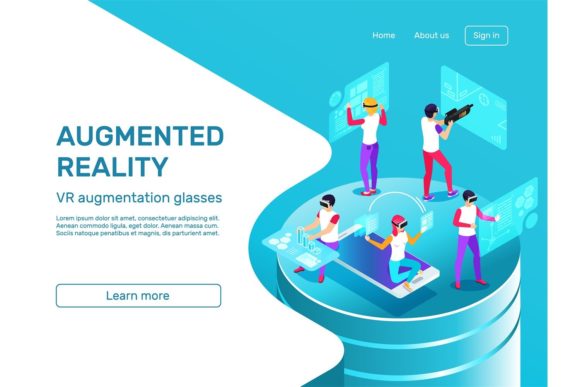
Visualizing the intersection of human interaction and digital innovation is one of the most significant challenges in contemporary graphic design, especially when depicting people working with augmented reality. As brands increasingly adopt immersive technologies, designers need high-quality creative assets that communicate complex futuristic concepts without feeling cold or inaccessible. Isometric 3D illustrations featuring individuals using AR headsets and gadgets offer a perfect solution, bridging the gap between technical functionality and human-centric storytelling. These vector-based visuals allow creators to craft compelling narratives about digital transformation while maintaining a polished, professional aesthetic suitable for diverse media.
The Strategic Value of Isometric AR Illustrations
In the realm of visual design, clarity is paramount. When illustrating abstract concepts like virtual game technology or digital augmentation, realistic photography can sometimes appear too speculative or cluttered. Isometric vector art provides a structured, clean perspective that simplifies complex scenes into digestible visual information. This style is particularly effective for infographics, UI design mockups, and editorial layouts where space is at a premium. By utilizing scalable EPS10 files, designers ensure that every detail—from the texture of VR glasses to the posture of the user—remains crisp whether displayed on a mobile screen or a large-format print advertisement.
Beyond mere aesthetics, these assets serve a functional role in strengthening brand identity. Consistency across touchpoints is essential for modern branding, and having a cohesive set of illustrated characters allows for flexible application. Whether you are designing a landing page for a tech startup or creating social media graphics for an educational platform, customizable vector elements ensure your visual language remains unified. The ability to edit colors, adjust compositions, and modify individual components in Adobe Illustrator means these assets can be tailored to match specific color palettes and typography systems seamlessly.
Practical Applications Across Creative Projects
The versatility of people working with augmented reality illustrations extends far beyond tech blogs. These assets are invaluable for various design disciplines requiring a forward-thinking yet approachable tone. Key applications include:
- Digital Marketing and Advertising: Create eye-catching hero images for campaigns promoting smart glasses, educational apps, or industrial training software.
- Web and UI Design: Use isometric figures to guide users through onboarding flows or to visualize features in SaaS product interfaces.
- Editorial and Print Design: Enhance magazine articles, white papers, and annual reports with custom visuals that break up dense text and explain data trends.
- Packaging and Merchandise: Incorporate futuristic motifs into product boxes or promotional apparel to signal innovation and premium quality.
- Corporate Presentations: Elevate pitch decks and internal communications with professional imagery that replaces generic stock photos.
Optimizing Vector Assets for Professional Results
Selecting the right asset is only the first step; effective implementation requires thoughtful design execution. When integrating AR-themed vectors into your workflow, prioritize visual hierarchy and composition. Ensure the focal point—the person interacting with the technology—is distinct against the background. In web design and UX contexts, avoid overcrowding the interface; let the illustration breathe to maintain readability and focus. Scalability is another critical factor. Always work within a vector environment to preserve line quality, and verify that the chosen style aligns with your existing brand guidelines regarding stroke weight, shading, and geometric proportions.
Color management plays a pivotal role in making these futuristic concepts feel grounded. While neon accents suggest advanced technology, balancing them with neutral tones or your brand’s primary colors prevents the design from looking gimmicky. Typography should complement the geometric nature of isometric art; clean sans-serif typefaces often pair best with this structured visual style. Furthermore, consider accessibility and inclusivity when selecting character representations. Diverse depictions of people working with augmented reality not only broaden audience appeal but also reflect a more accurate vision of global technology adoption.
Ultimately, the goal of incorporating specialized design assets is to enhance communication, not just decoration. High-quality vector illustrations of AR interactions empower designers to tell richer stories about innovation, learning, and connectivity. By leveraging editable, professional-grade resources, creative teams can produce work that is both visually striking and strategically sound. Thoughtful selection and customization of these elements ensure that your final output resonates with audiences, reinforcing your message through clear, modern aesthetics that stand the test of rapidly evolving design trends.