RE-ARRANGE Power Point Template: A Practical Framework for Visual Communication
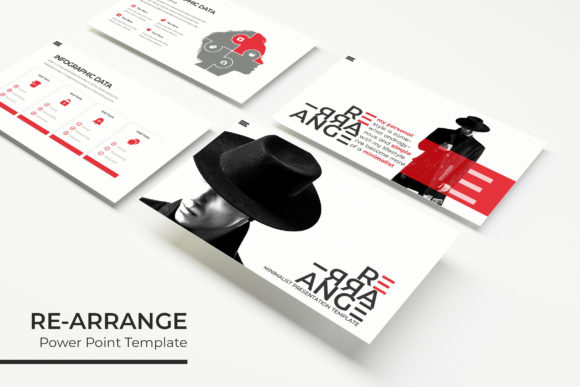
In professional environments, the gap between raw data and a compelling narrative is often bridged by presentation design. The RE-ARRANGE Power Point Template serves as a structural foundation for this translation process, offering a systematic approach to visual storytelling rather than a mere collection of decorative slides. For professionals ranging from marketers and educators to entrepreneurs and freelancers, this asset functions as a productivity tool that standardizes output quality while significantly reducing the time spent on formatting. Understanding where this template fits into your broader workflow is essential for maximizing its utility beyond simple aesthetic appeal.
Integrating Design Assets into Project Workflows
The most effective use of the RE-ARRANGE Power Point Template occurs when it is treated as an active component of project planning rather than an afterthought. In the pre-production phase of any business initiative, creative campaign, or educational module, the 150 total slides act as a visual outline. Before drafting content, users can browse the five distinct color variations to establish a tonal baseline that aligns with stakeholder expectations or brand guidelines. This selection process forces early decisions regarding visual hierarchy and emotional resonance, which subsequently informs copywriting and data gathering.
During the execution phase, the template’s structure supports iterative development. Because the deck is organized into 30 slides per color variation, teams can assign specific sections to different contributors without breaking visual consistency. A marketing team might utilize the handcrafted infographic slides to visualize quarterly metrics, while a product manager uses the gallery layouts to showcase prototypes. The drag-and-drop functionality based on master slides ensures that even when multiple people edit the file simultaneously, the alignment, typography, and spacing remain pixel-perfect. This reduces the quality control burden typically associated with collaborative presentations.
Post-project, the template facilitates knowledge management and repurposing. Since the graphics are fully resizable and editable, a comprehensive annual report created with RE-ARRANGE can be easily adapted into a client pitch deck or an internal training module. The section break slides provide natural modularity, allowing users to extract specific chapters or modules without disrupting the overall design logic. This adaptability extends the lifecycle of the work produced, transforming a single presentation effort into a reusable library of visual assets.
Leveraging Technical Features for Efficiency
Efficiency in presentation design relies heavily on how well a tool interacts with standard software behaviors. The RE-ARRANGE Power Point Template is engineered to work within native PowerPoint environments, avoiding the friction often caused by third-party plugins or incompatible vector formats. The inclusion of both standard and widescreen PPTX files addresses a common logistical challenge in hybrid work environments. Whether presenting on a legacy projector in a classroom or sharing a screen via Zoom on a modern monitor, having the correct aspect ratio readily available prevents last-minute reformatting that can distort images or displace text.
The picture placeholder system is central to the template's practical application. Unlike static templates where images must be cropped externally before insertion, these placeholders allow for real-time composition adjustments directly within the slide. This is particularly valuable during the review cycle when feedback requires swapping visuals or adjusting focal points. For creators and bloggers who rely on high-quality imagery, this feature streamlines the revision process, keeping the focus on message refinement rather than technical troubleshooting.
Typography management is another critical efficiency factor. The template includes links to free font downloads in the Readme file, ensuring that the intended design integrity is maintained across different machines. Font substitution is a frequent source of layout errors in shared workflows; by standardizing the typeface through accessible resources, the template mitigates compatibility risks. This attention to typographic detail supports professional credibility, as consistent text rendering is subconsciously associated with organizational competence.
Strategic Application Across Diverse Use Cases
Different professional roles interact with presentation tools in unique ways, and the versatility of the RE-ARRANGE Power Point Template accommodates these varied needs. For entrepreneurs and small business owners pitching to investors, the portfolio and gallery slides offer a structured method for displaying case studies or product lines. The predefined layouts guide the arrangement of evidence, ensuring that value propositions are supported visually rather than just verbally. This structure helps prevent the common pitfall of overcrowding slides with text, forcing a discipline of visual clarity that resonates better with decision-makers.
Educators and trainers benefit from the section break slides and infographic elements to manage cognitive load. Complex learning objectives can be segmented into digestible visual chunks using the handcrafted diagrams. These are not merely decorative; they serve as pedagogical scaffolds that help students retain information. By using consistent color coding and layout patterns throughout a curriculum, instructors create a familiar visual environment that allows learners to focus on new concepts rather than reorienting themselves to changing slide designs.
For marketers and agency professionals, the five premade colors function as rapid prototyping tools. When testing different messaging angles or client preferences, switching between color themes allows for quick A/B testing of visual identity without rebuilding the deck. This agility is crucial in fast-paced campaigns where speed-to-market matters. Freelancers can also leverage these variations to maintain distinct portfolios for different niches while using a single underlying master file, simplifying their own asset management systems.
Best Practices for Implementation and Customization
To integrate the RE-ARRANGE Power Point Template smoothly into existing routines, users should adopt a few key best practices. First, always begin by reviewing the Master Slides. Understanding the underlying architecture prevents accidental modifications to global styles and enables bulk changes that save hours of manual editing. If your organization has specific brand colors, apply them at the master level rather than individually formatting each slide. This ensures that future additions to the deck automatically inherit the correct styling.
Second, respect the distinction between included assets and preview materials. The note specifying that photographs are for illustration purposes only is a critical operational detail. Users must have their own licensed image library ready before beginning production. Treating the template as a wireframe rather than a finished product manages expectations and avoids legal issues regarding stock photography. Prepare your media assets in advance to take full advantage of the drag-and-drop placeholders.
Third, utilize the 150-slide volume strategically rather than exhaustively. Having access to extensive options does not mean every presentation requires maximum length. Curate the slides that best serve your specific narrative arc. Delete unused slides early in the process to keep file sizes manageable and navigation simple. This curation process is itself a valuable exercise in refining your core message. The abundance of choice provided by the template should be viewed as a safety net for creative blocks, not a mandate for verbosity.
Maintaining Quality and Consistency Over Time
Long-term utility depends on maintaining the integrity of the template system. As teams grow or projects evolve, there is a tendency to introduce ad-hoc elements that degrade visual coherence. Establish guidelines for how the RE-ARRANGE Power Point Template should be modified. Define which infographic styles are approved for external communication versus internal brainstorming. Document any custom color palettes or logo placements added to the master slides so that new team members can onboard quickly without reinventing the wheel.
Quality control should also extend to accessibility. While the template provides pixel-perfect illustrations, users must ensure sufficient contrast ratios and alt-text descriptions when finalizing their decks. The clean design of the template generally supports accessibility standards, but content additions can inadvertently create barriers. Regular audits of exported PDFs or live presentations help catch these issues before they impact audience engagement.
Ultimately, the value of the RE-ARRANGE Power Point Template lies in its ability to systematize creativity. It removes the technical friction of design, allowing professionals to concentrate on strategy, analysis, and communication. By embedding this tool into the planning, execution, and review stages of your workflow, you transform presentation creation from a sporadic chore into a reliable, scalable business process. The result is not just better-looking slides, but clearer thinking and more effective outcomes across all areas of professional activity.